The Place
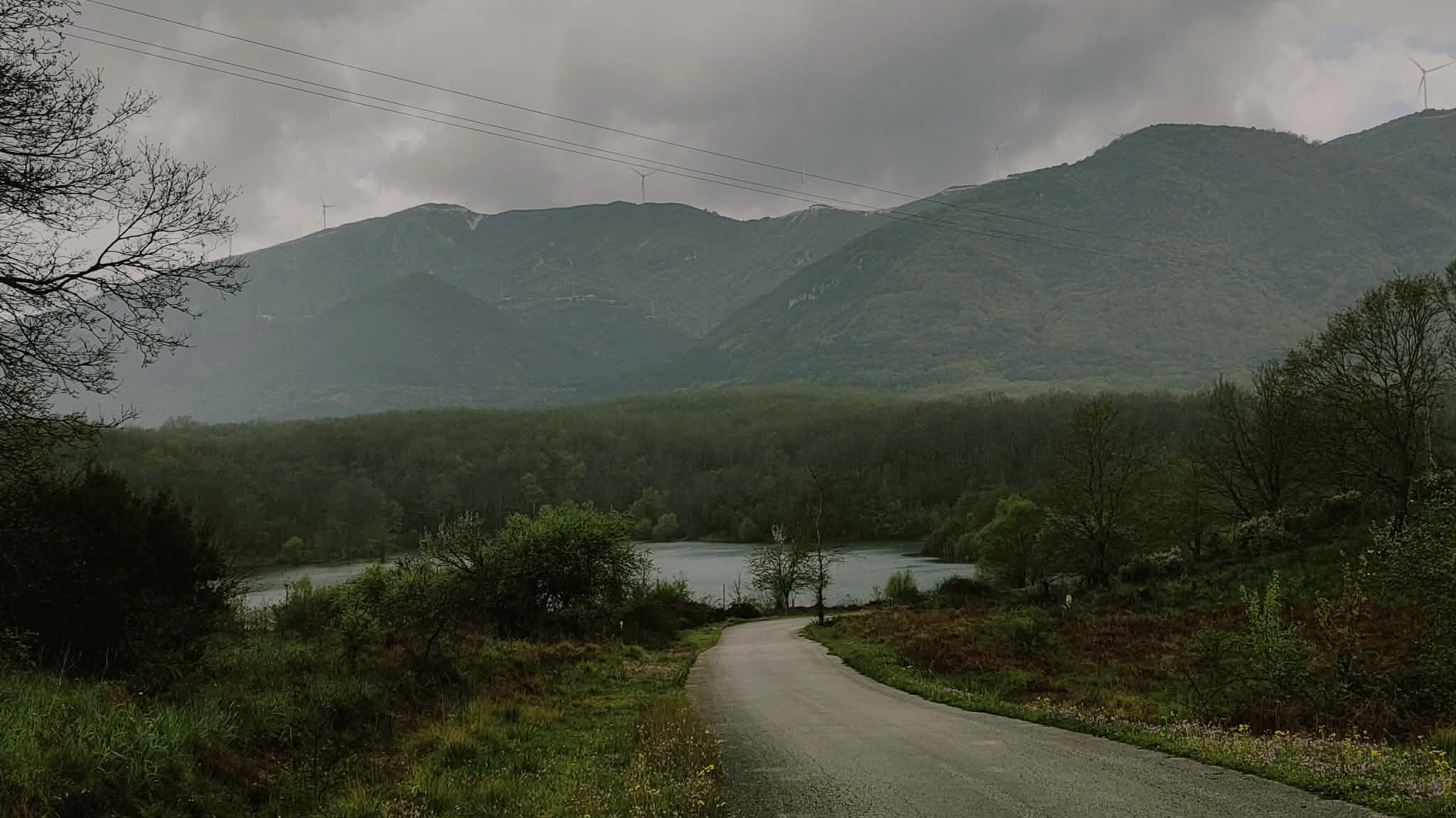
Pogoni lies in the northwestern part of Epirus, between Nemertsika to the north, Tsamanta to the south, and Kasidiaris and Makrykampos further on. It borders Albania, and part of Pogoni lies on Albanian territory. The Kalamas River, along with its tributaries, flows through these mountains, among which the region’s villages are built. Many of these villages are very old, with stone houses and bridges that still stand today. It is a place that has remained untouched by mass tourism—a rarity today—its landscape remains virtually pristine, the air is clean, and life still revolves around the land and livestock.
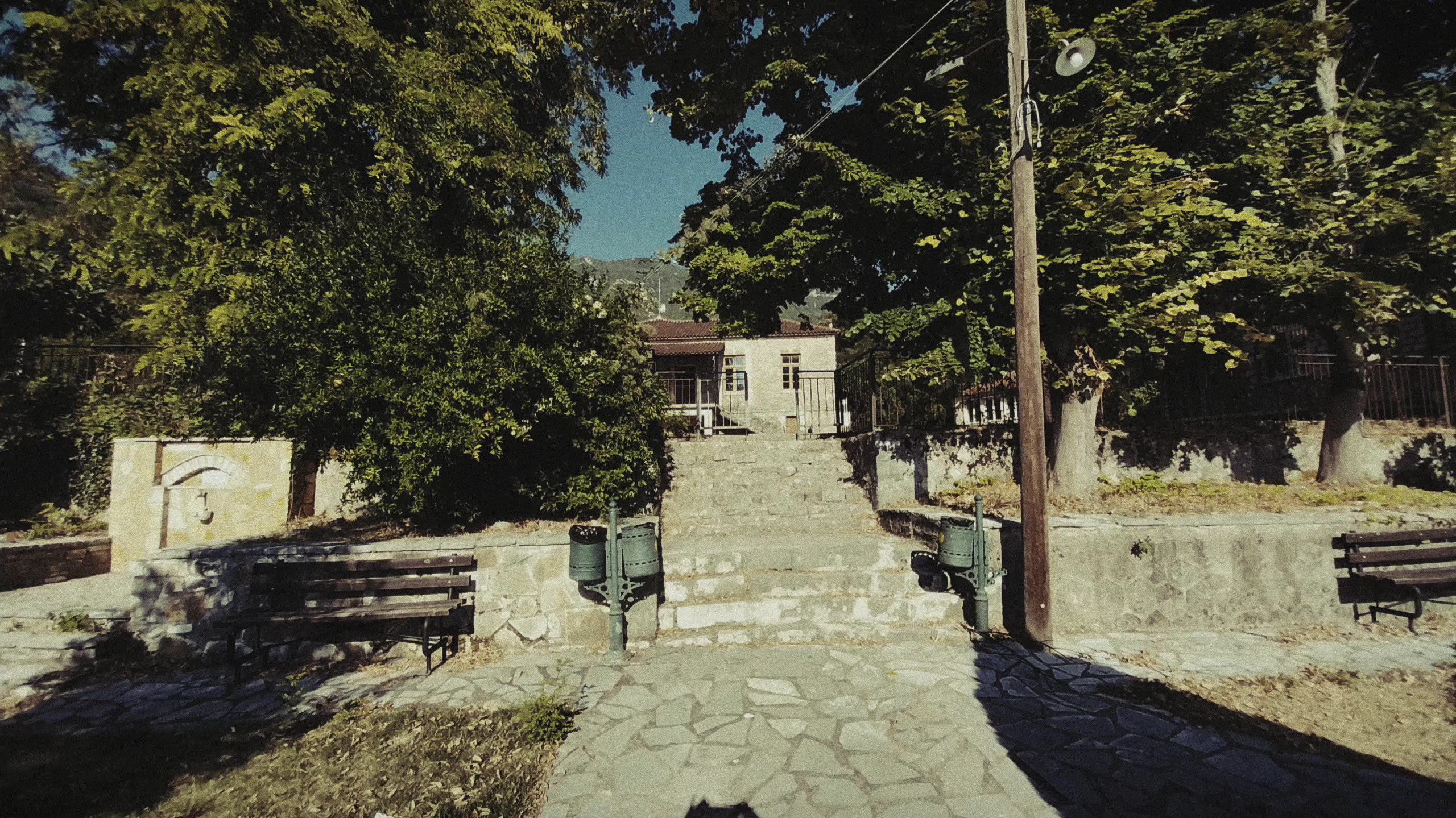
The history of the region stretches back through the ages, and it has existed in its present form since the time of Ali Pasha. As villages with a rich historical heritage, the villages of Pogoni have played a crucial role in the culture of Epirus. Pogoniani and Delvinaki were major centers of cultural and civic activity, with their schools and commercial hubs. Meanwhile, the Vlach village of Kefalovryso served as the main settlement for the migratory Arvanito-Vlach nomads.
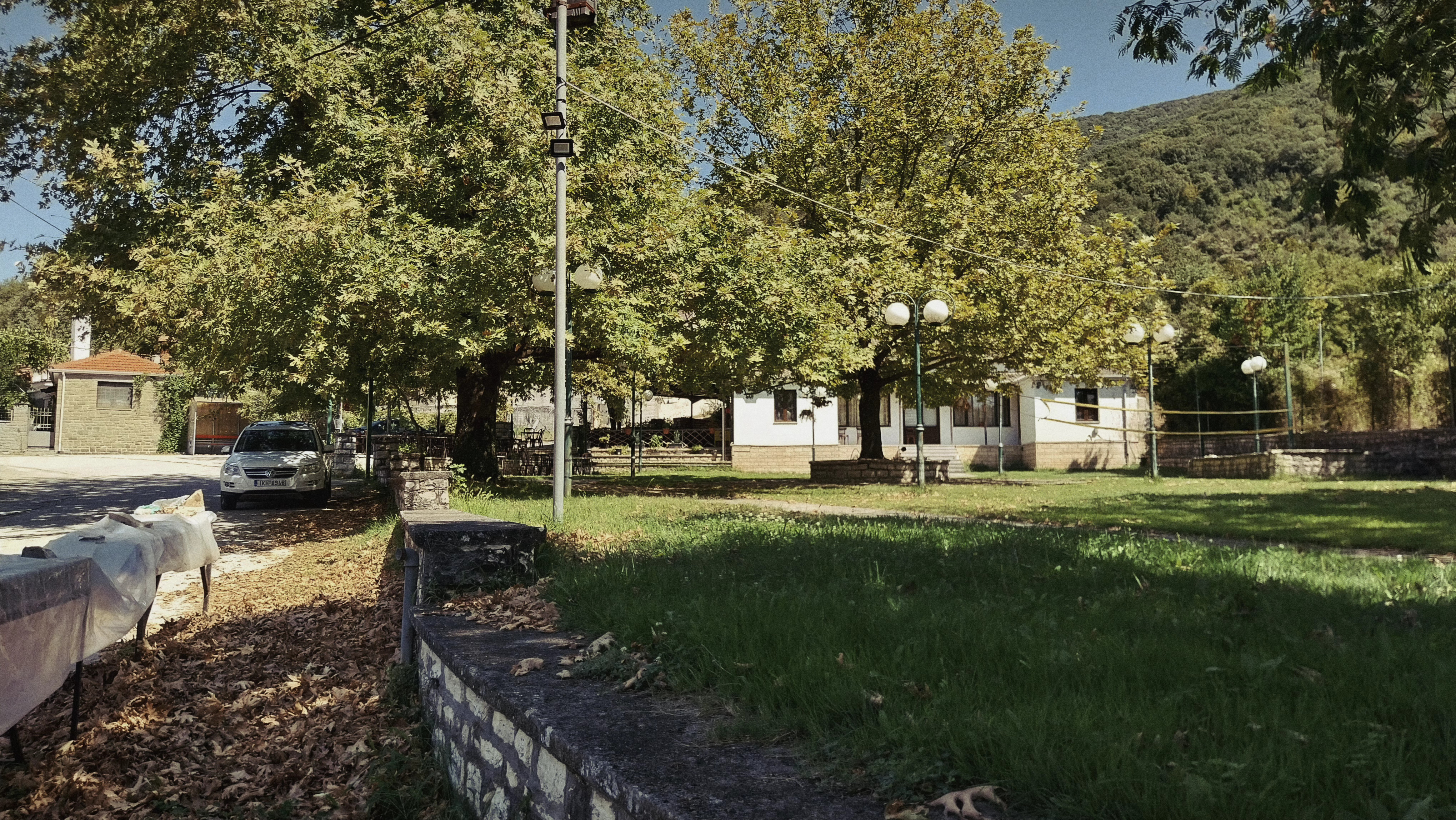
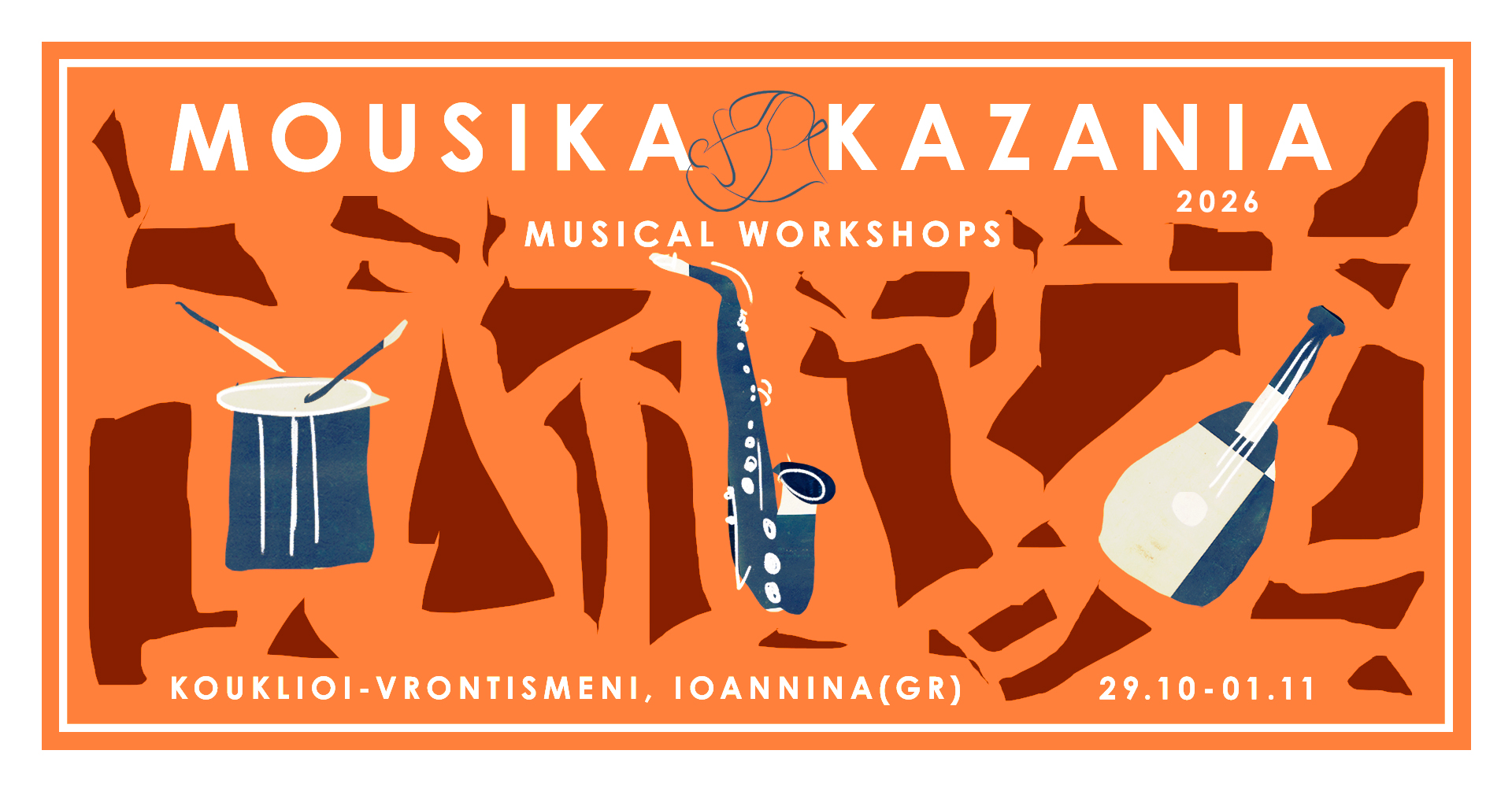
In the southern part of Pogoni lies Parakalamos, the most populous village in the region, with a rich musical history. A little further down and directly across from each other are Kouklioi and Vrontismeni, the two villages where the “Mousikal Kazania” take place—small, quiet most of the time, with a way of life based primarily on livestock farming and secondarily on agriculture, the flocks and the fields alike. Music here isn’t limited to a single season. People gather year-round—at celebrations and festivals in the summer, in times of joy and sorrow, on every occasion that brings the village together.